Connection
⏱ Estimated Time: 10 minutes
✓ Progress Saved
Module 1 • Lesson 2 of 3
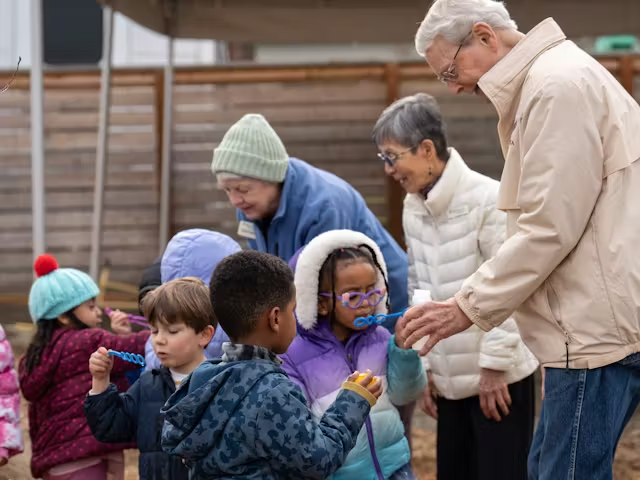
What if intergenerational programming went beyond occasional visits or scheduled performances? What if children and older adults had regular opportunities to connect naturally through caring, responsive interactions that become part of everyday life?
“We don’t want to just exist as a service. We want to be an integral part of a neighbourhood.”
Kim Hiscott, CEO, Andrew Fleck Children’s Services
Relationships Grow Through Everyday Moments
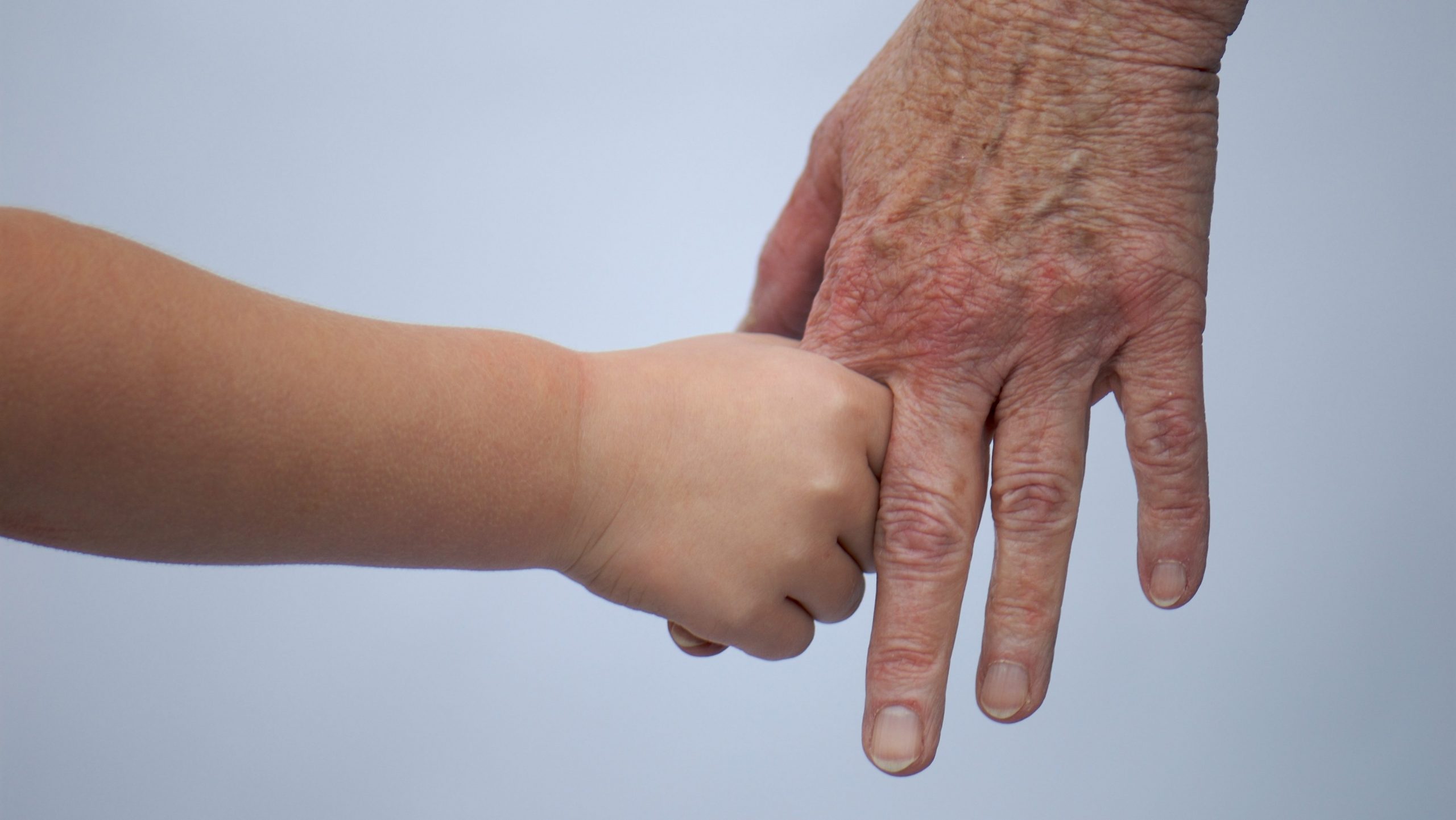
Meaningful intergenerational relationships are not built through one-time visits or performances. They develop gradually through consistent, shared experiences over time.
A child helping set the table alongside an older adult. A familiar greeting at the start of each visit. Reading the same story together week after week. Small moments of connection become the foundation for trust, comfort, and belonging.
Relationship-based intergenerational programming creates space for these moments to happen naturally as part of everyday life.
Reflection:
What kinds of everyday moments could help build meaningful connections between children and older adults in your own setting?
Module Progress: 66%
Explore further
Click to explore additional context, examples, and supporting information from the handbook.
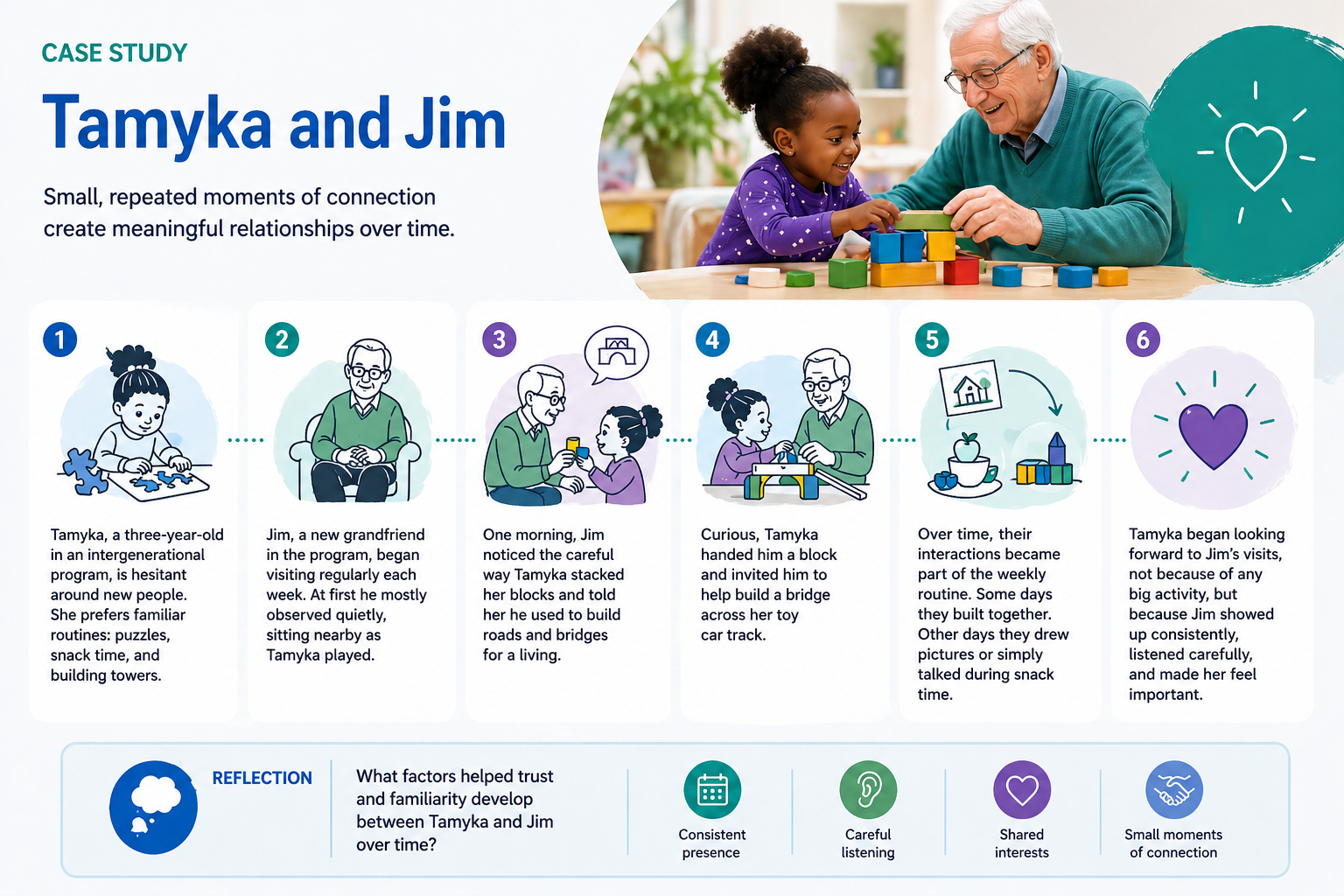
Why Consistency Matters
Meaningful relationships develop over time through repeated, familiar interactions. Consistency helps children and older adults build comfort, trust, and emotional connection.
In intergenerational programs, small recurring experiences — greeting one another, sharing meals, reading together, or participating in familiar routines — often become more meaningful than large one-time events
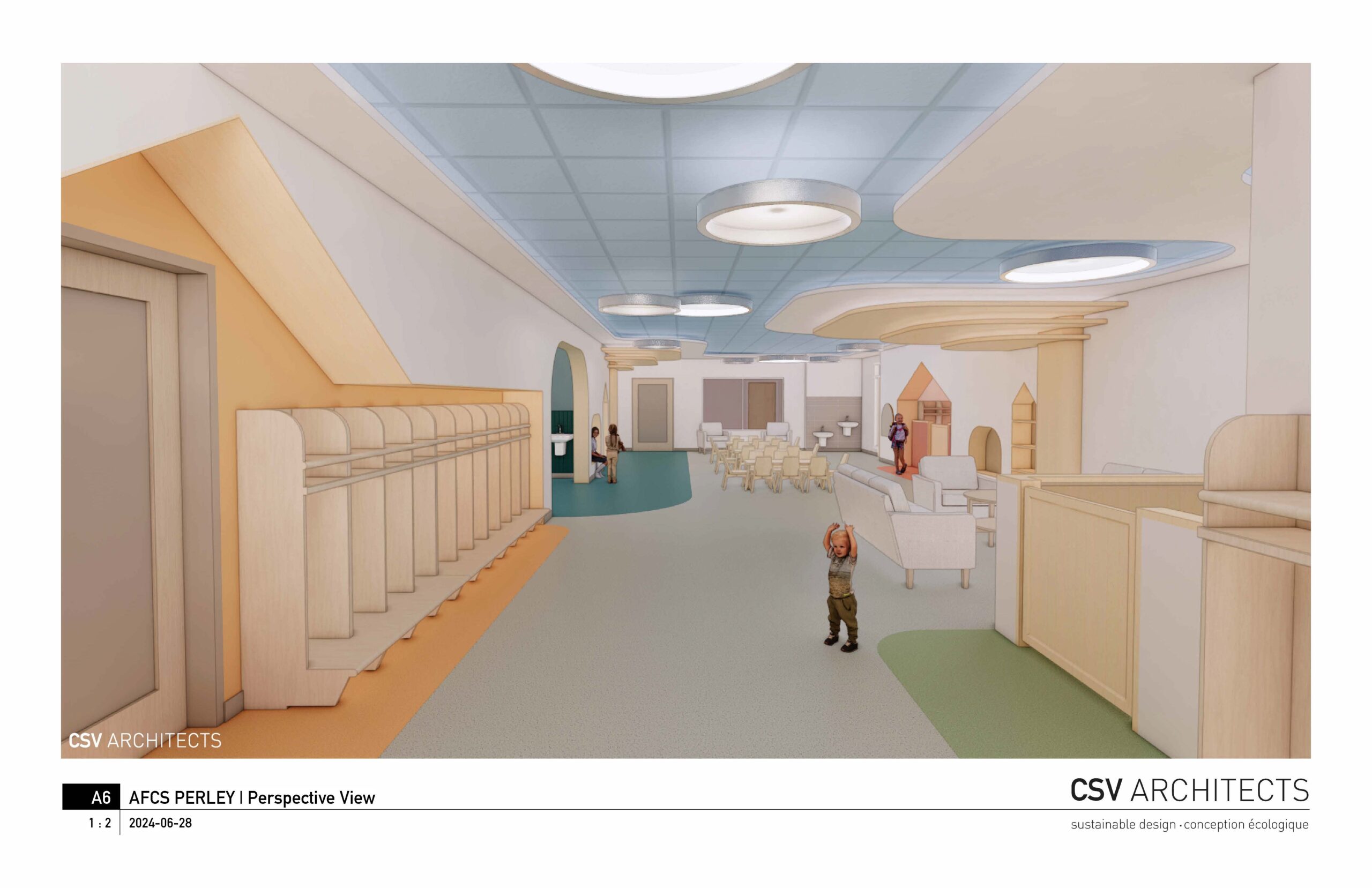
Shared Community Spaces
Shared spaces provide communities with a sense of belonging. They create opportunities for children and older adults to build meaningful relationships, stay active, socialize, develop skills, and experience the joy of connection within the same environment.
Intergenerational programming becomes more meaningful when interactions happen naturally throughout everyday routines rather than only during planned performances or scheduled visits. Shared environments create opportunities for spontaneous conversation, observation, collaboration, and relationship-building as part of daily life.
Effective shared spaces are:
- welcoming and comfortable
- accessible for diverse needs and mobility levels
- designed to encourage interaction
- flexible enough to support different types of activities and relationships

The Andrew Fleck Children's Services Intergenerational Early Learning Centre at Perley Health was built with both residents and children in mind
Relationship-Based Programming
Relationship-based intergenerational programming focuses on connection rather than performance. The goal is not simply to entertain or complete activities, but to create opportunities for reciprocal interaction, belonging, and mutual respect.
Programs become strongest when interactions are responsive, flexible, and shaped by the interests and needs of both children and older adults.
Programming Resources
Module 1 • Lesson 2 of 3